Introduction
LED light therapy has revolutionized both at-home and professional skin care. From acne and dullness to wrinkles and sagging, different wavelengths of light are engineered to address a range of concerns. Yet for many, the decision between red, blue, and infrared light can feel mystifying.
Each of the LEDs works in a very different way. The former goes to a different depth in the skin. And they all get different results.
So, which LED light is really best for your skin?
The answer just might depend on your skin goals. In this guide, we simplify red, blue, and infrared light in an easy-to-understand manner. We also take a look at how FiberLift LED Light technology melds these modes for visible, long-lasting results.
How LED Light Therapy Works on the Skin
LED light treatment uses specific wavelengths of light-emitting diodes to gently stimulate the skin. LED light doesn’t harm skin cells as UV rays do. Rather, it encourages healing mechanisms.
When light is absorbed through the skin, it activates mitochondria in your cells. Doing so boosts ATP production, which is used for cell repair and regeneration. In turn, skin heals quickly, produces more collagen, and functions better.
Different wavelengths can reach different depths in the skin. So the quality of that light matters, which is why it pays to choose wisely.
Red Light Therapy: The Gold Standard for Anti-Aging
Red light therapy is one of the most researched and trusted LED treatments for skin rejuvenation. It typically operates in the 630-660 nm wavelength range.
This light penetrates the dermis, where collagen and elastin live.
What Red Light Therapy Does for Your Skin
Red light therapy stimulates collagen production, which helps improve firmness and elasticity. Over time, fine lines soften, and the skin looks smoother. It also improves blood circulation, giving the face a healthy and natural glow.
In addition, red light therapy supports faster skin repair. That makes it ideal after treatments like microneedling or chemical peels.
If your goal is youthful, plump, and radiant skin, red light therapy is essential.
Blue Light Therapy: The Acne-Fighting Specialist
Blue light therapy works at a shorter wavelength, usually around 415 nm. Unlike red light, it focuses on the upper layers of the skin.
This light targets acne-causing bacteria called P. acnes.
What Blue Light Does for Your Skin
Blue light kills acne bacteria without harming the surrounding skin. As a result, breakouts reduce over time. It also helps reduce inflammation and redness, making it useful for sensitive or reactive skin.
Because blue light does not penetrate deeply, it does not stimulate collagen. Instead, it focuses on purification and balance.
If you struggle with active acne, oily skin, or frequent breakouts, blue light therapy is your best ally.
Infrared Light Therapy: Deep Healing and Skin Repair
Infrared light has wavelengths between 810 and 880 nm. This allows it to penetrate deeper than red light.
It reaches muscles, joints, and deeper tissue layers.
What Infrared Light Does for Your Skin
Infrared light accelerates healing from within. It reduces inflammation, improves circulation, and supports deep cellular repair. This makes it excellent for post-procedure recovery and chronic skin stress.
It also enhances the results of red light therapy by improving oxygen and nutrient delivery to skin cells.
If your skin feels tired, damaged, or slow to heal, infrared light can make a noticeable difference.
Red vs Blue vs Infrared: Which One Should You Choose?
Each LED light serves a specific purpose. Choosing the best one depends on your main concern.
Red light works best for aging, wrinkles, and dull skin.
Blue light is most effective for acne and oil control.
Infrared light is best for healing, reducing inflammation, and supporting recovery.
However, most skin concerns overlap. Acne-prone skin can still age. Aging skin can still feel inflamed.
That is why multi-mode LED face lift devices deliver better long-term results.
Why a Full-Spectrum LED Face Mask Works Best
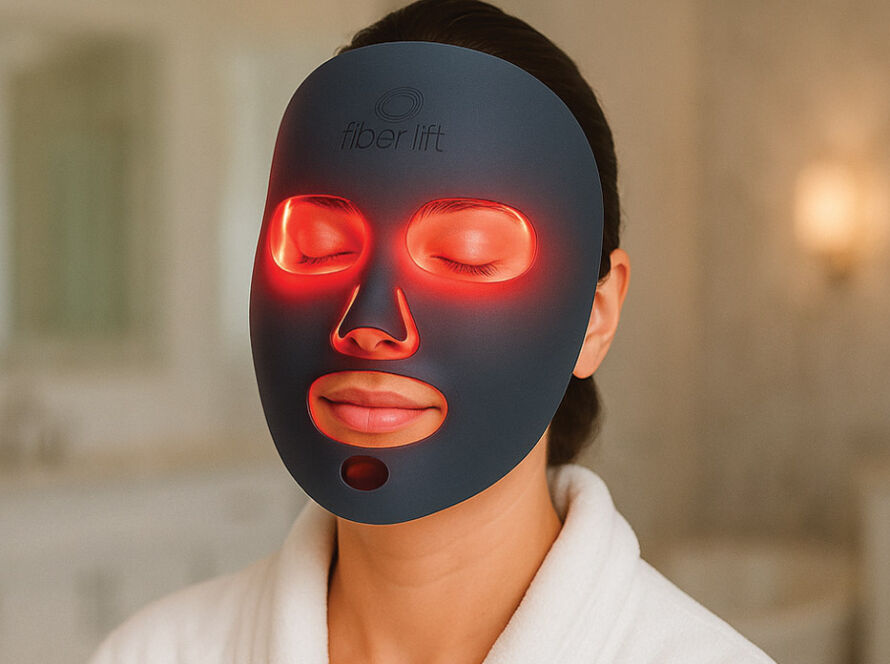
A full-face LED mask combines red, blue, and infrared light into a single treatment. Instead of targeting just one issue, it supports complete skin health.
With a multi-light device, you can treat acne while boosting collagen. You can calm inflammation while improving firmness. Over time, the skin becomes clearer, stronger, and more resilient.
FiberLift LED Light technology is designed around this concept. It delivers intelligent light modes that adapt to different skin needs without complicated settings.
Internal linking opportunity:
Link to the Best LED Face Mask category or homepage with anchor text like “best LED face mask for full-face therapy”.
How to Use LED Light Therapy for Best Results
Consistency matters more than intensity. Use your LED device three to five times per week. Each session should last 10 to 20 minutes.
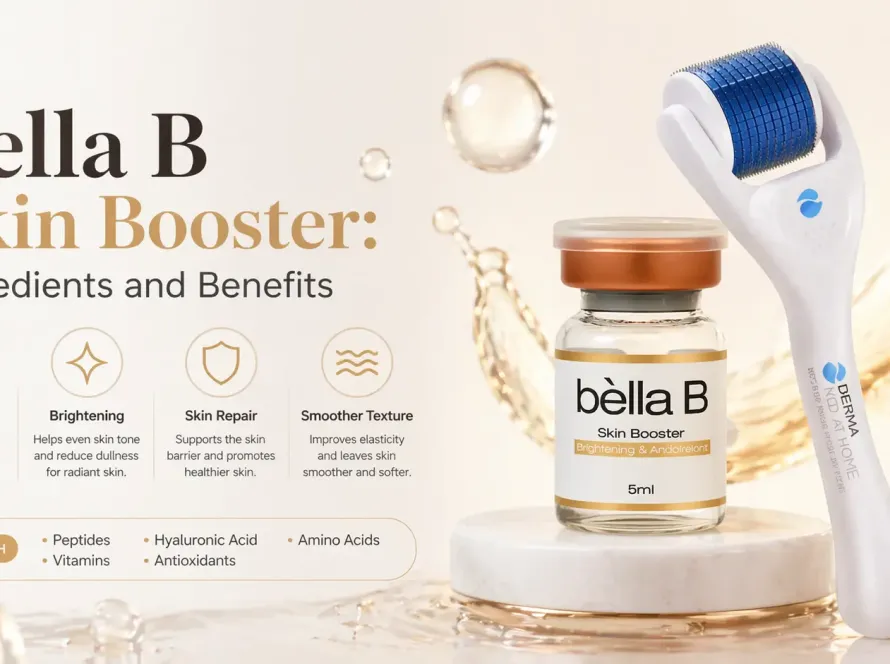
Always start with clean skin. Avoid using photosensitizing products before treatment. After your session, apply a hydrating serum or skin booster to enhance absorption.
Over time, results become more visible. Most users notice improved tone within two weeks and firmer skin within four to six weeks.
Frequently Asked Questions (FAQs)
Blue light is ideal for active, inflamed pustular acne because it kills acne-causing bacteria. Red light reduces inflammation and promotes healing, so combining it with other treatments is more effective.
Infrared light doesn’t lift skin in the same way, but it is healing and increases circulation. It increases collagen production and firming when used in conjunction with red light.
The majority of people notice visible improvements in two to four weeks with regular use. Collagenological modifications are observed after an average of one month.
Yes, LED light therapy is non-invasive and safe for everyday use when used as directed. Always follow device guidelines.