LED light therapy has quickly become one of the most researched non-invasive skincare technologies. Dermatology clinics, aesthetic practices, and at-home devices now use light therapy to improve skin health without needles, chemicals, or downtime.
But many people still ask important questions.
Does LED light therapy actually work?
Which colour light is best for skin concerns?
And can an at-home device produce real results?
This guide explains how LED light therapy works, what results you can expect, and how to use it safely for long-term skin improvement.
What Is LED Light Therapy?
LED light therapy is a non-invasive skin treatment that uses specific wavelengths of light to stimulate natural processes inside the skin.
Unlike laser treatments, LED light does not damage the skin surface. Instead, it delivers low-level light energy that penetrates the skin and interacts with cells.
These wavelengths can help:
- stimulate collagen production
- reduce inflammation
- support skin repair
- control acne-causing bacteria
- improve overall skin tone
Because the treatment works at a cellular level, improvements appear gradually and naturally over time.
NASA scientists originally studied LED therapy to help accelerate wound healing. Today, dermatologists and skincare specialists use the same principle to support skin rejuvenation and repair.
How LED Light Therapy Works for Skin
To understand why LED therapy works, it helps to look at how skin cells respond to light.
Human cells contain structures called mitochondria, which produce the energy needed for cellular activity. Certain wavelengths of light stimulate these mitochondria, improving cellular efficiency.
When cells produce more energy, they can repair damage and produce structural proteins more effectively.
This process leads to several skin benefits:
- increased collagen production
- improved elasticity
- reduced inflammation
- faster skin recovery
Over time, these biological improvements can lead to firmer, smoother, and healthier skin.
Types of LED Light Used for Skin Treatments
Different colours of light penetrate the skin at different depths. Each wavelength supports a specific skin function.
Red Light Therapy
Red light is widely used for anti-ageing treatments because it penetrates deeper into the dermis.
It helps stimulate collagen production and improves circulation. As collagen levels increase, the skin gradually becomes firmer and more elastic.
Many people use red light therapy to reduce fine lines, support skin healing, and improve overall skin texture.
For a deeper comparison of wavelengths, see our guide on
Red Light vs Blue Light vs Infrared: Which LED Light Is Best for Your Skin?
Blue Light Therapy
Blue light targets acne-causing bacteria on the skin surface.
It helps reduce breakouts by destroying Cutibacterium acnes, the bacteria associated with inflammatory acne.
Because it focuses on bacteria rather than collagen production, blue light is often used by people with oily or acne-prone skin.
Infrared Light Therapy
Infrared light penetrates the skin more deeply than visible light. It supports circulation, reduces inflammation, and can enhance tissue repair.
Some advanced LED devices combine red and infrared wavelengths to improve overall skin regeneration.
What Skin Concerns Can LED Light Therapy Help With?
LED light therapy is used for a wide range of skin concerns.
Many dermatology clinics recommend it as part of the treatment for:
- fine lines and wrinkles
- mild skin laxity
- acne and breakouts
- uneven skin tone
- inflammation and redness
- dull or tired skin
Because the treatment is gentle, it is suitable for most skin types. It can also complement other skincare routines without irritating.
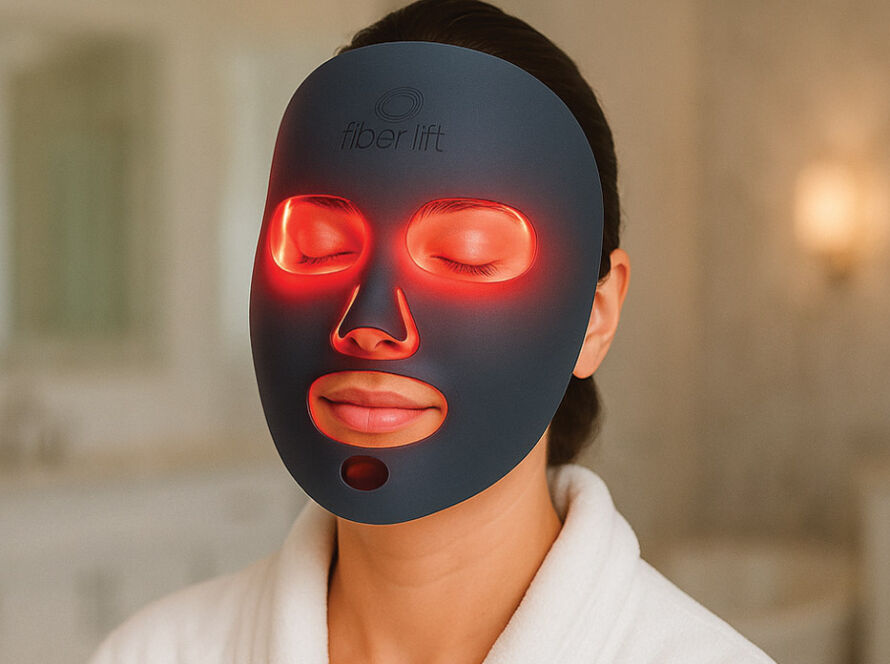
LED Face Masks for At-Home Skin Treatments
Professional LED treatments were once only available in clinics. Today, advanced technology allows people to use LED face masks at home.
Modern devices are designed to deliver precise wavelengths safely and consistently.
At-home LED masks can support skin improvement when used regularly. Many people include them in their skincare routine several times per week.
If you want to understand how these devices function, read our full explanation of
LED Face Masks Explained: How Light Therapy Works for Skin at Home.
How Often Should You Use LED Light Therapy?
Consistency is the key factor that determines results.
Most people begin by using LED therapy three to five times per week. Sessions typically last 10-20 minutes, depending on the device.
As skin begins to improve, many people reduce usage to maintenance sessions a few times per week.
We explain optimal schedules in detail in our guide.
How Often Should You Use an LED Face Mask for Best Results?
When Do LED Therapy Results Appear?
One of the most common questions about LED therapy is how long it takes to see results.
Early improvements, such as smoother skin and better hydration, can appear within two to four weeks of consistent use.
More visible changes, such as improved firmness or reduced wrinkles, usually develop between six and twelve weeks. This timeline reflects the natural process of collagen regeneration.
Because the treatment works gradually, results often look subtle and natural.
Is LED Light Therapy Safe?
LED light therapy is considered one of the safest non-invasive skincare treatments.
Unlike laser procedures, LED devices do not damage skin tissue or create heat injury. Instead, they deliver low-level light energy that gently stimulates cellular activity.
Most people experience no discomfort during treatment. Some individuals notice mild warmth or temporary redness, but this usually resolves quickly.
However, safety depends on using high-quality devices that deliver clinically appropriate wavelengths.
Choosing the Best LED Device for Skin
Not all LED devices deliver the same performance.
Effective LED devices must provide:
- accurate wavelengths
- consistent light intensity
- even facial coverage
- safe treatment timing
Devices such as the FiberLift LED Face Mask are designed to provide controlled wavelengths that support skin rejuvenation at home.
When selecting a device, it is important to choose one that offers clinically supported wavelengths and reliable safety features.
Final Thoughts
LED light therapy offers a powerful yet gentle way to support long-term skin health. By stimulating cellular energy and collagen production, it helps the skin repair itself naturally over time.
When used consistently, LED therapy can improve skin firmness, smooth texture, and support overall skin vitality.
For many people seeking non-invasive skincare solutions, LED light therapy provides a convenient and effective option that can be used safely at home.
FAQ’S
Yes. Clinical studies show that certain wavelengths of light can stimulate collagen production, reduce inflammation, and improve skin healing. Results develop gradually with consistent use.
Most LED face masks are designed for frequent use. Many dermatologists recommend using the treatment several times per week rather than daily to allow the skin time to respond.
Most at-home LED sessions last 10-20 minutes, depending on the device and treatment mode.
LED therapy can support skin health and improve mild ageing concerns, but it does not replace procedures such as surgical facelifts or deep resurfacing treatments.
Red light is most commonly used for anti-ageing because it stimulates collagen production and improves skin elasticity.