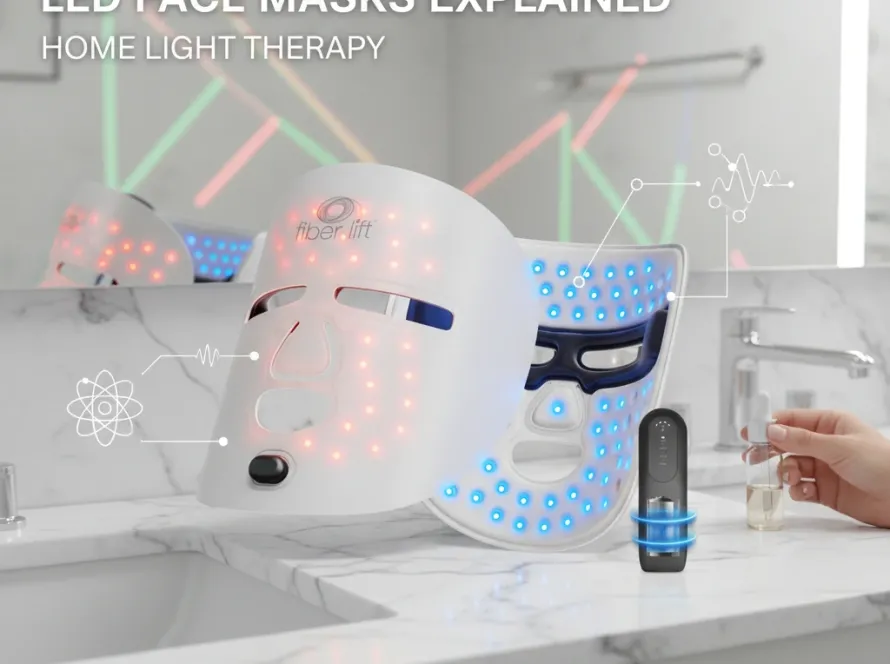
LED face masks have become one of the most popular tools for at-home skin treatments. Dermatology clinics have used light therapy for years, but modern technology now allows people to experience similar benefits at home.
However, not all LED masks work the same way. Different wavelengths target different skin concerns, and choosing the wrong device may limit your results.
Understanding how LED light interacts with your skin is the first step toward selecting the best LED face mask for your skin type.
This guide explains what to look for, which light colours matter, and how to choose a mask that fits your specific skin goals.
Why Skin Type Matters When Choosing an LED Face Mask
Every skin type responds differently to treatment.
Some people want to reduce wrinkles and improve firmness. Others want help with acne, redness, or uneven skin tone. Because LED therapy works through different wavelengths, a device’s effectiveness often depends on whether it delivers the right wavelength for your concern.
For example, red light supports collagen production and is commonly used for anti-ageing. Blue light helps target acne-causing bacteria. Infrared light penetrates deeper into the skin and supports tissue repair.
Choosing the right device means matching these wavelengths to your skin’s needs.
If you are new to light therapy, our complete guide to LED Light Therapy for Skin explains how the technology works and why different wavelengths matter.
Understanding LED Light Colours and Their Skin Benefits
Before selecting a device, it helps to understand what each light colour does.
Red Light for Skin Firmness and Wrinkles
Red light is among the most widely studied wavelengths in skincare. It penetrates the dermis and stimulates collagen production.
As collagen levels increase, the skin gradually becomes firmer and more elastic. This makes red light particularly useful for reducing fine lines, improving texture, and supporting overall skin rejuvenation.
Many people choose LED masks with strong red light output when their main goal is anti-ageing or skin tightening.
Blue Light for Acne and Breakouts
Blue light targets bacteria associated with acne.
Specifically, it helps reduce Cutibacterium acnes, the bacteria that contribute to inflammatory breakouts. Because of this antibacterial effect, blue light therapy is commonly used by people with oily or acne-prone skin.
Regular use can help reduce active breakouts and support clearer skin.
Infrared Light for Deep Skin Repair
Infrared wavelengths penetrate deeper than visible light. These wavelengths support circulation and cellular repair within the skin.
Some advanced LED masks combine red light and infrared light to improve overall skin regeneration and healing.
To see a deeper comparison between wavelengths, read our guide on Red Light vs Blue Light vs Infrared: Which LED Light Is Best for Your Skin?
Choosing an LED Face Mask Based on Your Skin Type
Selecting the right LED mask becomes easier when you focus on your primary skin concern.
For Ageing Skin
If your goal is to reduce wrinkles or improve skin firmness, look for masks that prioritise red light and infrared wavelengths.
These wavelengths support collagen production and can gradually improve elasticity. Over time, the skin may appear smoother and more defined.
Many people seeking non-invasive facial rejuvenation use LED masks as part of their long-term skincare routine.
For Acne-Prone Skin
Individuals dealing with frequent breakouts should consider masks that include blue light therapy.
Blue light helps reduce acne-causing bacteria and may help prevent future breakouts when used consistently.
Some masks also combine blue light with red light, which can help reduce inflammation while supporting skin recovery.
For Sensitive or Redness-Prone Skin
Sensitive skin benefits from gentle treatments that support healing rather than irritation.
LED therapy is generally well-tolerated because it does not rely on exfoliation or harsh chemicals. Masks that combine red light and infrared light often work well for people looking to calm inflammation and strengthen the skin barrier.
Important Features to Look for in an LED Face Mask
Not all LED masks deliver the same performance. The quality of the device can influence both safety and effectiveness.
When comparing devices, several factors are worth considering.
First, check whether the mask provides clinically relevant wavelengths. Accurate light wavelengths are essential for stimulating the intended skin response.
Second, the mask should offer even light coverage across the entire face. Uneven light exposure may reduce treatment effectiveness.
Comfort also matters. A properly fitting mask encourages consistent use, which is essential for visible results.
Many users prefer devices such as the FiberLift LED Face Mask, which deliver controlled wavelengths across the full face while remaining comfortable during treatment sessions.
How Often Should You Use an LED Face Mask?
Results depend heavily on consistency.
Most people begin with 3 to 5 sessions per week, with each treatment lasting 10 to 20 minutes. Over time, many users transition to maintenance sessions a few times per week.
Because LED therapy stimulates natural skin processes, improvements appear gradually rather than immediately.
Our detailed guide, “How Often Should You Use an LED Face Mask for Best Results,” explains how to build an effective treatment schedule.
When Will You See Results?
LED therapy does not produce overnight transformations.
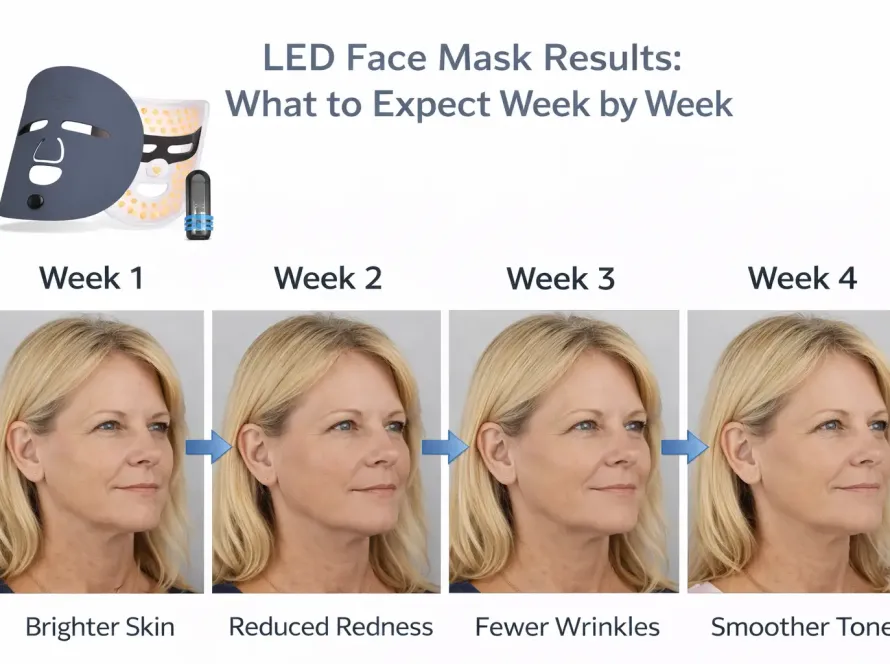
Early improvements, such as smoother texture and improved hydration, may appear within a few weeks. More noticeable changes, such as improved firmness or reduced wrinkles, often take 6 to 12 weeks of consistent use.
The gradual timeline reflects the natural process of collagen regeneration inside the skin.
Final Thoughts
Choosing the best LED face mask starts with understanding your skin type and treatment goals.
Different wavelengths support different skin functions, from collagen production to acne control. By selecting a device tailored to your specific concerns, you increase the likelihood of meaningful improvements.
When used consistently, LED light therapy can support healthier, firmer, and more resilient skin over time.
FAQ’S
Start by identifying your primary skin concern. Red light works well for anti-ageing, blue light targets acne, and infrared light supports deeper skin repair. Choosing a mask that includes the wavelengths needed for your concern will improve results.
Most LED face masks are designed to be safe for all skin types when used correctly. Because the treatment does not damage the skin surface, it is usually well tolerated even by sensitive skin.
Yes. Red light therapy is widely used to stimulate collagen production, which helps improve skin firmness and reduce the appearance of fine lines over time.
Most at-home LED sessions last 10-20 minutes, depending on the device and treatment mode.
Clinical research shows that certain wavelengths of light can stimulate cellular activity in the skin. With consistent use, many people notice improvements in skin tone, texture, and elasticity.