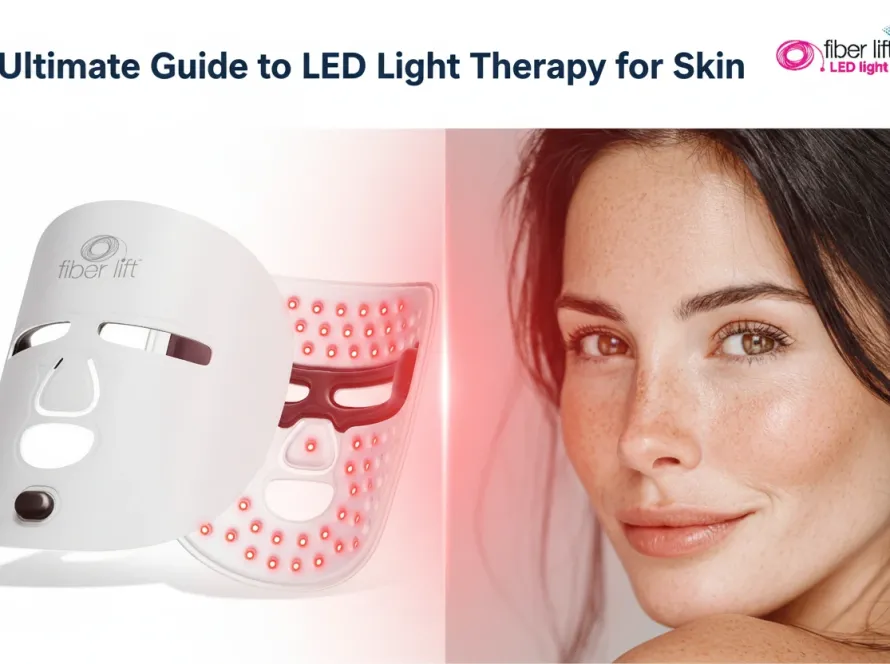
LED light therapy has become one of the most popular non-invasive skincare technologies. Dermatology clinics have used it for years to treat acne, improve skin firmness, and support overall skin health.
Today, advanced LED masks make it possible to experience similar benefits at home. However, many people struggle to understand which device works best for their specific skin concern.
Acne, wrinkles, and pigmentation respond to different wavelengths of light, which means the most effective LED mask is usually one that combines multiple light modes.
Understanding how these wavelengths work helps you choose the best LED face mask for your skin needs.
Why LED Light Therapy Works for Multiple Skin Concerns
LED light therapy works by delivering specific wavelengths of light energy into the skin. These wavelengths stimulate natural biological processes inside skin cells.
Some wavelengths stimulate collagen production, improving skin firmness and reducing wrinkles. Others target acne-causing bacteria or help calm inflammation that contributes to pigmentation.
Because the treatment supports natural cellular activity, improvements appear gradually. Over time, the skin often becomes clearer, smoother, and more even in tone.
If you want to understand the science behind this technology, our guide on LED Light Therapy for Skin explains how different wavelengths interact with skin cells.
Best LED Light for Acne
Acne develops when bacteria, excess oil, and inflammation combine inside clogged pores. Certain wavelengths of LED light can help control these factors.
Blue light is commonly used for acne treatments because it targets Cutibacterium acnes, the bacteria responsible for inflammatory breakouts. By reducing bacterial activity on the skin surface, blue light can help decrease the number of active blemishes.
In many cases, LED masks combine blue light with red light. While blue light addresses bacteria, red light helps calm inflammation and supports skin healing.
This combination can be particularly helpful for people who experience persistent breakouts or irritated acne-prone skin.
Best LED Light for Wrinkles and Skin Ageing
Wrinkles and loss of firmness develop as collagen production naturally slows with age. Red light therapy is widely used to stimulate collagen synthesis within the dermis.
When skin cells absorb red light, their energy production increases. This helps fibroblast cells produce collagen more efficiently. As collagen levels improve, the skin gradually becomes firmer and more elastic.
Over time, many people notice smoother texture, softer fine lines, and improved facial definition.
Some advanced LED masks also include infrared light. Infrared wavelengths penetrate deeper into the skin and may enhance tissue repair and circulation.
Together, red and infrared light create one of the most effective combinations for non-invasive anti-ageing treatments.
Best LED Light for Pigmentation and Uneven Skin Tone
Pigmentation issues often develop due to inflammation, sun exposure, or hormonal changes. While LED therapy does not bleach pigment directly, it can support the skin’s natural repair process.
Red light helps reduce inflammation and improve cellular turnover. This may gradually help the skin appear more even in tone. Infrared wavelengths also support tissue repair and improve circulation, which can contribute to healthier skin regeneration.
When LED therapy is used consistently alongside a well-designed skincare routine, many people notice gradual improvement in overall skin clarity.
Why Multi-Wavelength LED Masks Work Best
Because different skin concerns respond to different wavelengths, many dermatologists recommend LED masks that offer multiple light modes.
A multi-wavelength mask can support multiple skin functions simultaneously. For example, blue light may target acne bacteria, while red light may improve collagen production.
This combination approach allows a single device to address acne, early ageing, and uneven skin tone simultaneously.
Devices such as the FiberLift LED Face Mask feature multiple light modes to address a range of skin concerns in a single treatment session.
How to Choose the Best LED Face Mask
Choosing the right LED mask involves more than simply selecting the device with the most colours.
First, check whether the device delivers clinically supported wavelengths. Effective LED masks use specific wavelengths known to stimulate cellular activity.
Second, consider coverage. A well-designed mask should provide even light distribution across the entire face so all treatment areas receive consistent exposure.
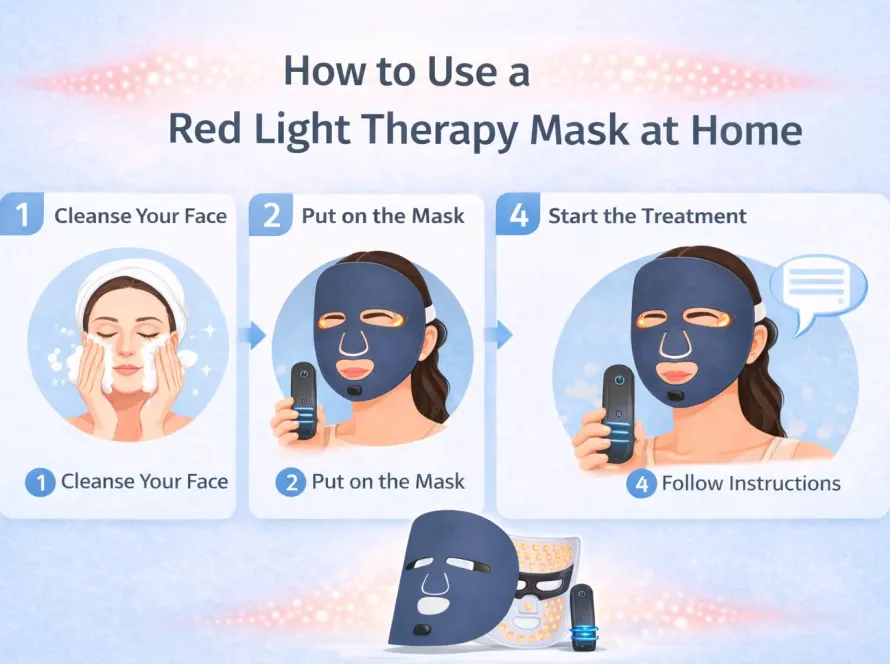
Comfort and usability also matter. Devices that fit securely and allow hands-free use encourage regular treatments, which is essential for achieving visible results.
If you want a deeper guide to choosing a device, see our article on How to Choose the Best LED Face Mask for Your Skin Type.
How Long Does It Take to See Results?
LED therapy works gradually because it stimulates the skin’s natural repair process.
Some people notice early improvements in skin hydration and texture within two to four weeks. However, visible improvements in wrinkles or pigmentation typically appear between six and twelve weeks of consistent use.
Because the treatment is gentle, the skin continues to improve over time rather than experiencing sudden, dramatic changes.
Consistency plays the biggest role in determining results.
How Often Should You Use an LED Face Mask?
Most skincare specialists recommend using LED masks several times per week during the first phase of treatment.
Typical sessions last 10-20 minutes, depending on the device and treatment mode. After initial improvements appear, many people continue using the mask a few times per week to maintain results.We explain optimal treatment schedules in detail in our guide, “How Often Should You Use an LEDFace Mask for Best Results?”
Final Thoughts
LED light therapy provides a gentle yet effective approach to improving several common skin concerns. By delivering specific wavelengths of light, it supports collagen production, reduces acne-causing bacteria, and encourages healthier skin regeneration.
The best LED face mask is usually one that combines multiple wavelengths so it can address acne, wrinkles, and pigmentation simultaneously.
With consistent use, LED therapy can help the skin become clearer, smoother, and more resilient over time.
FAQ’s
Blue light is widely used to target acne-causing bacteria. Many LED masks combine blue light with red light to reduce inflammation and support skin healing.
Red light therapy is commonly used for anti-ageing treatments because it stimulates collagen production and improves skin elasticity.
LED therapy supports skin regeneration and reduces inflammation, which may gradually improve uneven skin tone when used consistently.
Most LED masks are designed for frequent use and are generally considered safe when used according to manufacturer guidelines.
Clinical research shows that specific wavelengths of light can stimulate cellular activity within the skin. With regular use, many people experience improvements in skin tone, texture, and firmness.