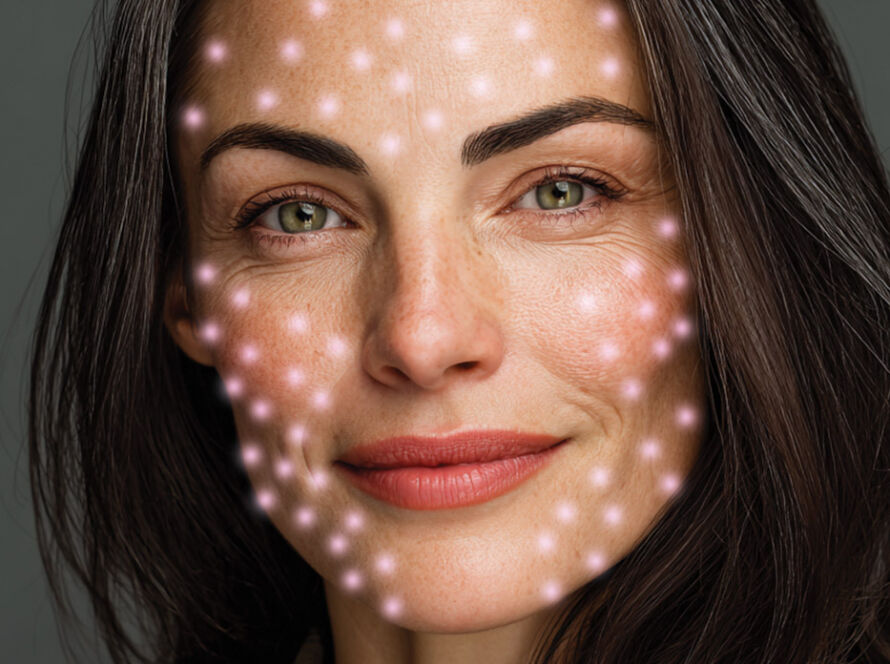
Are LED face masks safe? This is one of the most common questions people ask before starting LED light therapy for skincare. LED face masks are now widely used for acne, anti-ageing, and overall skin improvement. As their popularity grows, so do safety concerns.
Many people ask the same questions.
Can LED light damage your skin?
Are at-home devices safe to use regularly?
And do they really work without side effects?
The short answer is yes. LED face masks are generally safe when used correctly. However, understanding how they work and how to use them properly makes a big difference.
This guide breaks down dermatologist-backed facts, common myths, and safe usage tips so you can use LED therapy with confidence.
Quick Answer: Are LED Face Masks Safe?
LED face masks are considered safe for most skin types because they use non-UV light. Unlike sun exposure or tanning beds, LED therapy does not damage DNA or burn the skin.
Most devices work by delivering low-level light energy that stimulates natural skin processes such as collagen production and bacterial reduction.
When used properly, side effects are usually minimal. Some people may experience slight redness or dryness, but this is typically temporary.
Why LED Light Therapy Is Considered Safe
LED therapy is widely used in dermatology because it is non-invasive and gentle.
Instead of removing layers of skin or creating controlled injury, LED light supports cellular activity. This makes it very different from treatments like chemical peels or lasers.
The safety of LED therapy comes down to three key factors.
First, it does not use ultraviolet light. UV light is the main cause of skin damage and premature ageing. LED devices use visible and near-infrared wavelengths, which are much safer.
Second, it does not overheat the skin when used correctly. Properly designed devices deliver controlled energy without causing burns.
Third, it works gradually. Because the treatment supports natural processes, the skin is not exposed to sudden stress.
If you want to understand the science behind this, our guide on LED Light Therapy for Skin explains how light interacts with skin cells.
Dermatologist Facts About LED Face Masks
Dermatologists generally agree that LED therapy can be a useful addition to a skincare routine, especially for mild to moderate concerns.
They Are Non-Invasive
LED face masks do not break the skin barrier. This means there is no downtime and very low risk of irritation compared to more aggressive treatments.
Results Are Gradual, Not Instant
One important point often misunderstood is that LED therapy produces progressive results.
It can improve skin tone, reduce acne, and support collagen production, but it does not create dramatic overnight changes. Consistency matters more than intensity.
Different Light Colours Serve Different Functions
Red light supports collagen production and helps reduce inflammation. Blue light targets acne-causing bacteria.
Some advanced devices also include infrared wavelengths that support deeper skin repair.
To understand these differences clearly, see
Red Light vs Blue Light vs Infrared: Which LED Light Is Best for Your Skin?
At-Home Devices Can Be Effective
While clinic treatments are more powerful, at-home LED masks can still deliver visible improvements when used consistently.
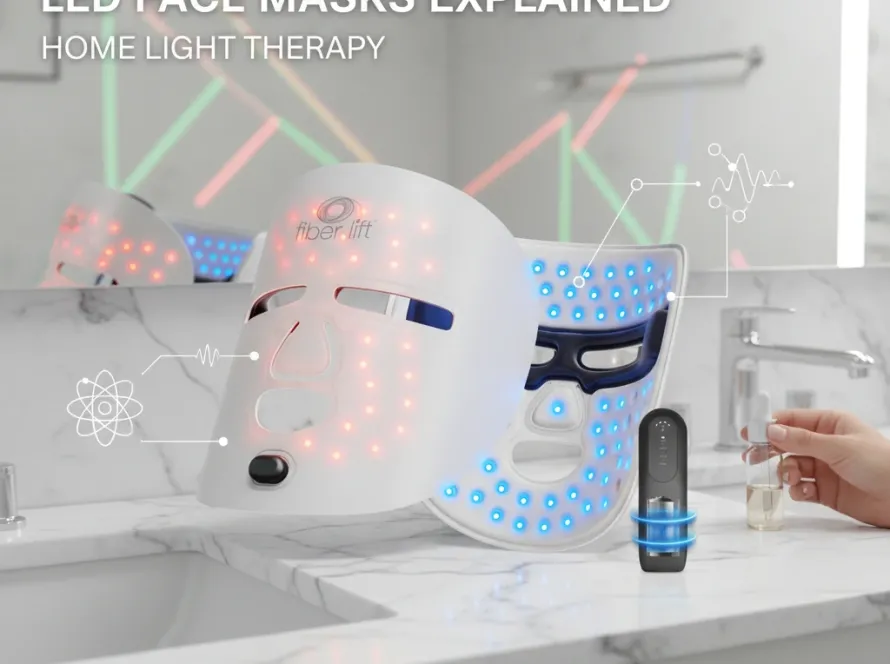
Devices such as the FiberLift LED Face Mask are designed to provide controlled wavelengths safely for regular home use.
Common Myths About LED Face Masks
There is a lot of misinformation around LED therapy. Let’s clear up some of the most common myths.
Myth 1: LED Masks Can Treat Every Skin Condition
LED therapy can help with acne, mild ageing, and inflammation. However, it is not a cure for all skin conditions.
Certain concerns, such as severe pigmentation disorders or deep wrinkles, may require professional treatment.
Myth 2: Stronger Light Means Better Results
More intensity does not always mean better outcomes.
Overusing LED therapy or using devices with uncontrolled output can lead to dryness or irritation. The skin responds best to consistent, moderate exposure.
Myth 3: All LED Masks Are the Same
There is a significant difference in quality between devices.
Lower-quality masks may not deliver the correct wavelengths or may provide uneven light coverage. This can reduce effectiveness and, in some cases, increase the risk of irritation.
Myth 4: LED Light Can Damage Skin Like UV Rays
This is one of the biggest misconceptions.
LED devices do not emit ultraviolet radiation. When used correctly, they do not cause DNA damage or increase the risk of skin cancer.
Are There Any Risks or Side Effects?
LED therapy is generally safe, but like any skincare treatment, it is not completely risk-free.
Most side effects are mild and temporary.
Some people may notice slight redness after treatment. Others may experience dryness if they use the mask too frequently.
In rare cases, people with sensitive skin may feel mild irritation.
There are also specific situations where extra caution is needed.
People with light sensitivity, active infections, or those taking medications that increase sensitivity to light should speak to a healthcare professional before using LED therapy. For medical guidance, how light therapy works on the skin provides expert-backed insight into safety and side effects.
Who Should Avoid LED Face Masks?
Although LED therapy is suitable for most people, some individuals should be cautious.
If you have a condition that makes your skin sensitive to light, it is important to seek medical advice first.
The same applies if you are using medications that increase photosensitivity.
People with active skin infections or open wounds should avoid using LED masks until the skin has healed.
How to Use LED Face Masks Safely
Using LED therapy safely is simple, but small mistakes can reduce effectiveness or cause irritation.
Start with clean, dry skin. This allows light to penetrate properly without interference from skincare products.
Keep sessions within the recommended time frame, usually 10-20 minutes. Longer sessions do not necessarily improve results.
Use the mask consistently, but avoid overuse. Most people benefit from using LED therapy three to five times per week.
Apply serums or moisturisers after treatment rather than before, especially if they contain active ingredients.
Eye protection is also important, particularly when using blue light modes.
If you are unsure about frequency, our guide on
How Often Should You Use an LED Face Mask for Best Results explains how to build a safe routine.
How to Choose a Safe LED Face Mask
Safety also depends on the device’s quality.
Look for masks that provide:
- clinically supported wavelengths
- even light distribution
- built-in safety features
- comfortable and secure fit
Choosing a well-designed device reduces the risk of uneven exposure or overheating.
If you are unsure what to look for, read.
How to Choose the Best LED Face Mask for Your Skin Type
FAQ’S
Most LED masks are safe for regular use, but daily use isn’t necessary. Many people see better results with three to five sessions per week.
LED light does not damage the skin when used correctly because it does not contain harmful UV radiation.
Yes, in most cases. LED therapy is gentle and non-invasive, making it suitable for sensitive skin. However, it is best to start with shorter sessions.
Side effects are usually mild. Some people may experience temporary redness or dryness, especially with overuse.
Yes. While they are less powerful than clinic treatments, consistent use can still lead to visible improvements in skin tone, texture, and clarity.
Final Thoughts
LED face masks offer a safe and effective way to support skin health when used correctly.
They work by stimulating natural processes rather than damaging the skin, which makes them suitable for long-term use.
Understanding the facts, avoiding common myths, and using a high-quality device can help you get the best results without unnecessary risk.For many people, LED therapy has become a reliable part of a modern skincare routine that focuses on consistency, safety, and gradual improvement.